

Pain relief · Tramadol 100 mg
RECLAIM YOUR LIFE
FROM PAIN
If you are in pain, you are not the only one, and you can do something about it. Pain can change the way you live.It can be more difficult to get out of bed. It may impact your work, your sleep, your mood and the amount of time you spend with your loved ones. Walking that was comfortable can get uncomfortable. It can be challenging to attend a meeting. Pain can make it even more difficult to get a good night’s rest.
Speak to a pharmacist at +1 415 549 6165 Mon–Sat, 8am- 5 pm PST
VERIFIED SUPPLY
Every lot traced to one licensed US wholesaler — never a grey market.
Licensed U.S. pharmacy
Pharmacist-reviewed orders
Plain, discreet packaging
Tracked 2–4 day delivery
The single product
Tramadol 100 mg, extended pain relief, dispensed with total focus
Tramadol 50mg is a prescription medicine that can be prescribed for the treatment of some forms of moderate to moderately severe pain. There are many causes of pain. An injury, surgery, chronic condition or other illness can impact a person’s perception of pain and treatment.
Your doctor will determine if tramadol is right for you, depending on your medical history and condition.
| Product Details | Information |
|---|---|
| Product Name | Tramadol 50 mg |
| Generic Name | Tramadol |
| Common Strength | Tramadol 50 mg |
| Form | Tablet |
| Medication Type | Prescription opioid analgesic |
| Primary Use | Pain management |
| Controlled Substance | Yes |
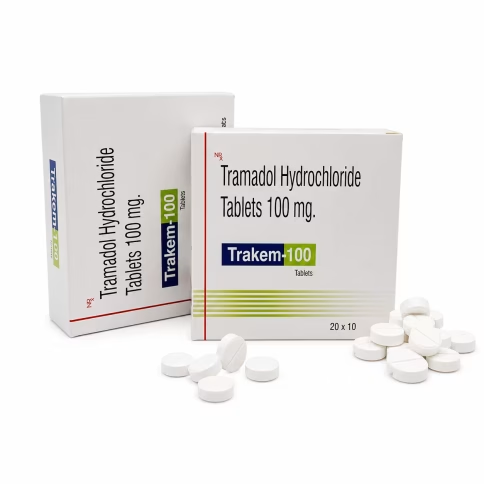
Understanding your medication
Understanding Tramadol 50 mg
Tramadol is a prescription pain medicine. The 50 mg tablet is one of the most commonly prescribed doses.
Short answer for “what is tramadol”: it’s a prescription opioid analgesic. It works on the central nervous system and changes how your body processes pain signals. Doctors may prescribe it for moderate to moderately severe pain, including certain types of nerve pain, when they’ve decided the benefits make sense for that patient.
The full chemical name is tramadol HCL. A lot of people know it by the brand name Ultram. If you’ve seen a round white pill marked AN 627, that’s tramadol 50 mg. The AN 627 round white pill is one of the most widely dispensed generic forms. “Tramal” is what it’s called in some other countries. “Tramodol” is a common misspelling you’ll find online.
Is tramadol a controlled substance? Yes. In the US it’s a Schedule IV controlled substance. A valid prescription is required.
Is tramadol a narcotic? Yes. Is tramadol an opioid? Yes to that too. Both terms apply.
Is tramadol an NSAID? No. NSAIDs are anti-inflammatory drugs like ibuprofen or naproxen. Tramadol works through a completely different mechanism. It’s not a substitute for anti-inflammatories, and it’s not a muscle relaxer either.
One more question that comes up often: tramadol for dogs. Vets do sometimes prescribe tramadol for animals. But veterinary tramadol isn’t the same product as human tramadol. Never give your prescription to a pet.
How many 50mg tramadol can I take at once? That question needs to go to your doctor or pharmacist, not a website. The answer depends on your individual health, other medications, and how your body responds.
How does Tramadol work?
Pain signals travel through the nervous system to the brain. Tramadol interrupts that process. It has opioid activity, and it also affects certain neurotransmitters involved in how the body handles pain. That dual action is part of why it can be useful for nerve pain, which doesn’t always respond to standard painkillers.
How fast it works isn’t the same for everyone. Your metabolism, the dose, whether you’ve eaten, your age, and other medications all play a role. If it feels like it’s taking longer than expected, don’t take extra. Follow the timing on your prescription. If something genuinely isn’t working the way you expected, call your doctor.
Pain management is rarely just about pills. Physical therapy, lifestyle adjustments, and treatment directed at the actual cause of pain often matter just as much.
Tramadol 50 mg tablet should be taken exactly as prescribed. Don’t adjust timing, split doses, or share it with anyone.
Tramadol Side Effects
Side effects are possible with any medication. Tramadol is no different. Not everyone gets them, but knowing what to look out for matters.
Common tramadol side effects include:
- Drowsiness
- Dizziness
- Nausea
- Constipation
- Headache
- Reduced alertness
- Dry mouth
Does tramadol make you sleepy? Yes, it can. Drowsiness is one of the most frequently reported effects. Don’t drive or use machinery until you know how it affects you specifically.
Does tramadol cause constipation? Yes. That’s a known side effect with opioid medications generally, tramadol included. Talk to your doctor if it’s severe or not improving on its own.
Some reactions need immediate medical attention. Get emergency help if you notice:
- Slow or shallow breathing
- Extreme drowsiness you can’t shake
- Loss of consciousness
- Severe confusion
- Seizures
- Signs of a serious allergic reaction
Side effects of tramadol vary from person to person. Tell your doctor or pharmacist about anything that worries you.
Is Tramadol Addictive?
Yes, it can be. Tramadol has real potential for physical dependence, misuse, and addiction. That’s a significant part of why it’s a controlled substance and requires a valid prescription.
Not everyone who takes tramadol as directed becomes addicted. But the risk is real and shouldn’t be brushed off.
The basics: don’t take it longer than directed. Don’t take more than your prescription says. Don’t take it more often than your doctor recommended. Don’t give it to anyone else.
If your relationship with the medication feels like it’s shifting, or you’re worried about dependence, talk to your doctor. That conversation is worth having.
Risk goes up when tramadol is combined with:
- Alcohol
- Benzodiazepines
- Other opioids
- Sleep medications
- Other medicines that affect the central nervous system
If someone has taken too much, is hard to wake, breathing slowly, or unconscious – call 911 right away. Don’t wait.
Medication Interactions Matter
Before starting tramadol, tell your doctor and pharmacist everything you take. Vitamins. Over-the-counter products. Herbal supplements. Not just prescription drugs.
Can you take Tylenol with tramadol? The answer depends on your specific health situation and your other medications. Don’t go by what you read online. Ask your pharmacist directly.
Can you take ibuprofen with tramadol? Same story. It may or may not be appropriate depending on kidney function, stomach health, and other factors.
Is gabapentin and tramadol safe together? Both cause drowsiness and sedation. Together, they can affect breathing in some people. That combination needs a healthcare provider’s direct input before you try it.
Tizanidine and tramadol? Also needs individual assessment. Ask your doctor.
Alcohol and tramadol don’t mix. Alcohol increases sedation and raises the risk of serious side effects. Avoid it unless your doctor has specifically cleared it.
No question is a dumb question when it comes to medication safety. Ask your pharmacist.
Our goal is simple.
We want medication information to be easy to understand. Healthcare is already overwhelming enough. Long instructions, confusing terminology, too much to process at once.
People should have clear, plain-language information about using tramadol 50 mg safely. That means knowing the side effects, understanding how to take it correctly, and knowing when to call a doctor.
Tramadol Pharmacy. Here to make that part easier.
Frequently Asked Questions
What is Tramadol?
Tramadol is a prescription opioid analgesic used for moderate to moderately severe pain, including nerve pain. It’s sold under the brand name Ultram and is available as a generic. The full chemical name is tramadol HCL.
It works on the central nervous system to change how the body perceives pain. A healthcare professional needs to be involved in any decision to use it.
Tramadol 50 mg is one of the most commonly prescribed strengths. Tramadol uses vary by patient. It may be prescribed for injury-related pain, post-surgical pain, chronic pain conditions, and in some cases nerve pain.
The right dose, medication, and treatment length depend on:
- Type and intensity of pain
- Age and general health
- Other medications you take
- Kidney and liver function
- Your history with pain medications
Don’t take extra because it seems slow to work. If something’s off, call your prescriber.
Yes. It’s an opioid. Also commonly called a narcotic. Tramadol is a controlled substance in the United States, and because of its opioid activity, it carries real risks: misuse, dependence, overdose, serious breathing problems. Follow your prescription exactly.
Tramadol acts in the brain and central nervous system to change how pain is perceived. It also affects some of the chemical messengers involved in pain signaling. It’s not an NSAID. Not anti-inflammatory. Not a muscle relaxer. It works differently from those drugs, which is also why it can help with nerve pain when anti-inflammatories come up short.
It varies. Depends on the formulation, your metabolism, your age, and other factors. There’s no single answer that applies to everyone. Follow the schedule your healthcare provider gave you.
Yes. Drowsiness, dizziness, and reduced alertness are all common. Don’t drive or use machinery if you feel off. Alcohol and certain other medications make drowsiness worse and can push things into dangerous territory.
Yes. Constipation is common with opioids, tramadol included. Other side effects can include nausea, dizziness, headache, and dry mouth. Tell your doctor if constipation is getting bad.
Get emergency help immediately for:
- Slow, shallow, or labored breathing
- Extreme sleepiness
- Loss of consciousness
- Severe confusion
- Seizures
- Signs of a serious allergic reaction
Tell your doctor and pharmacist about every medication you take. Drug interactions can turn serious fast.
Yes. Tramadol can lead to physical dependence and addiction. Risk is higher with long-term use, high doses, or use that doesn’t follow the prescription. Don’t exceed the prescribed dose. Don’t share your prescription.
Don’t stop long-term use suddenly without talking to your doctor first. Withdrawal can happen. Risk increases when combined with:
- Alcohol
- Benzodiazepines
- Other opioids
- Sleep medications
- Other medicines affecting the central nervous system
If someone has overdosed or is unresponsive, call emergency services immediately.
Can you take Tylenol with tramadol? Some combination products actually contain both together. Other times they’re taken separately. Whether it’s safe depends on your specific health situation. Always check with your doctor or pharmacist before combining anything.
Can you take ibuprofen with tramadol? That depends on kidney function, stomach health, and your other medications. Never assume two things are safe together just because you take each one separately. Ask your healthcare provider first.
The combination can cause increased drowsiness, dizziness, and sedation. In some people, it can affect breathing. Don’t combine without guidance from a healthcare provider. Same caution goes for any sedating medication.
Tramadol can slow your reaction time and reduce alertness. Don’t drive or operate machinery if you feel:
- Sleepy
- Dizzy
- Confused
- Less sharp than usual
Give yourself time to understand how it affects you before getting behind the wheel.
Don’t use the internet to decide your dose. Your healthcare provider sets the right amount based on your individual health. Questions like “how many 50mg tramadol can I take at once” or “how often can I take tramadol” belong with your doctor or pharmacist, not a search engine. Never double a dose for any reason.
Detection depends on the test. Not all drug screens include tramadol. If you have questions about a specific test, talk directly to your healthcare provider or the testing facility.
How long does tramadol stay in your system? It varies by person and depends on:
- Your dose
- How often you take it
- Your metabolism
- Age
- Kidney and liver function
- The type of test
Don’t try to flush it out. Talk to a healthcare professional if you have drug testing questions.
Follow your prescription. Some people feel nauseous and do better taking tramadol with food. Your pharmacist can advise based on your specific situation.
Tramadol can cause more pronounced drowsiness, dizziness, confusion, and fall risk in older adults. Age alone doesn’t determine whether it’s appropriate though. Your overall health, other medications, and other conditions all factor in. Talk to your doctor.
Don’t take more than recommended. Tell your doctor everything you take. Avoid alcohol unless you’ve been cleared for it. Certain substances make tramadol’s effects worse, raising the risk of sedation, breathing problems, and overdose. Never share your prescription.
Tramadol is a prescription drug. A valid prescription from a licensed healthcare provider is required to get it filled. When filling a prescription, use a reputable, licensed pharmacy. Be cautious of any website offering prescription medications without proper medical review or verifiable credentials. Only share your personal and medical information through secure, legitimate channels.